
After-renovation air duct cleaning in New York City
Renovation dust does not stay in the room where the work was done: the return grilles pull it into the ducts and the system spreads it through the whole home. Once the work is finished, we clean it out of the ductwork, the registers and the air handler, and fit a new filter.
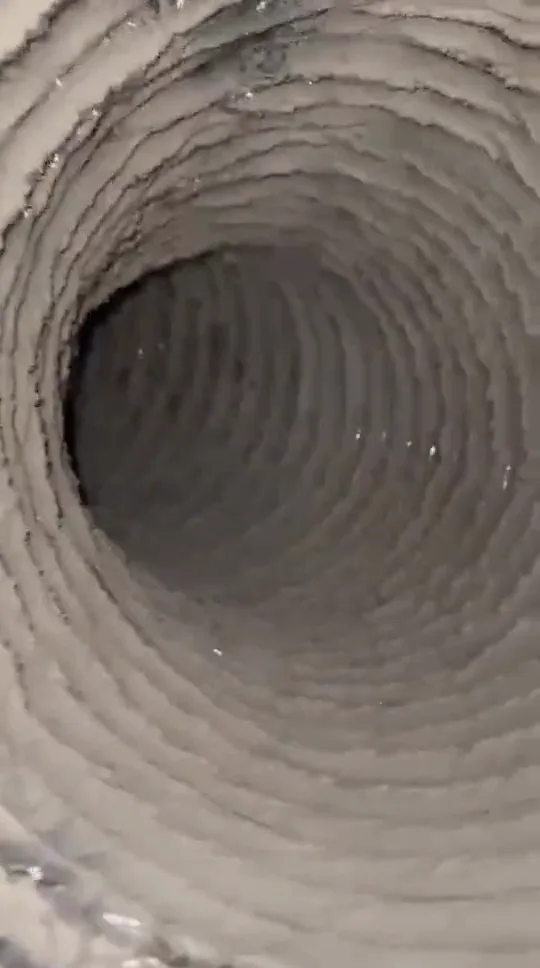
After-renovation air duct cleaning, explained
Sanding joint compound makes a dust as fine as flour. Cutting wood, sanding floors and taking down plaster make more. If the heat or air conditioning runs while that is going on, the return grilles work like a vacuum. The dust loads the filter, slips around it, coats the blower and the coil, and settles along the supply ducts. Even with the system off, open floor registers catch whatever is swept past them: screws, chips of plaster, sawdust.
Construction dust is pale and very fine, and in the ducts it sits loose. Each time the blower starts, a little more of it is carried into the rooms. That is the white film that keeps coming back on new floors and counters no matter how often they are wiped.
In New York City this follows gut renovations of brownstones and pre-war apartments, where old plaster comes down in quantity. It also follows new central air: ducts are usually installed early in a job and left open while the walls around them are closed, sanded and painted.
What is included
- Every supply and return run cleaned of construction dust
- Screws, plaster and wood debris lifted out of floor register openings
- Registers and grilles removed and washed
- Blower and coil checked for drywall dust, and cleaned when coated
- A new filter fitted at the end
- Photos before and after
Signs you need it
- Fine white dust settling again soon after you wipe
- A puff of dust from the registers when the system starts
- A filter that turned white or gray during the work
- Grit, screws or sawdust visible in the floor registers
- The heat or air conditioning ran during sanding or demolition
How the job goes
Time it right
The cleaning is booked for after the sanding, cutting and floor finishing are done. Cleaning earlier means doing it twice.
Look inside
We check the returns, the supply runs, the blower compartment, the coil and the filter, photograph them and give you a quote.
Lift out the debris
Plaster chips, screws and offcuts are taken out of the register openings by hand and by vacuum. A brush would only push them deeper.
Brush under suction
With a vacuum pulling on the ductwork and the registers covered, each run is brushed so the fine dust goes to the vacuum and not onto fresh paint and new floors.
Clean the air handler
The blower compartment and cabinet are vacuumed. Drywall dust that has caked on a damp coil is washed off, since brushing alone does not shift it.
Fit a new filter
The filter that went through the renovation is thrown out and a new one goes in. Registers go back on, the system is run and you see the photos.
Why it matters
You have just paid for new floors, paint and cabinets. Dust left in the ducts lands on all of them, a little at a time, each time the system runs, and fine construction dust in the air can aggravate allergies. Wiping surfaces does not end it, because the supply is inside the ductwork.
The equipment is at risk as well. Drywall dust on a blower wheel cuts airflow. On a wet coil it turns to paste and then dries into a crust, which is when coil cleaning and blower cleaning become part of the job. A filter choked during the work can starve the system of air if it stays in place.
After-renovation air duct cleaning: common questions
When should the ducts be cleaned after a renovation?
After all the dusty work is finished: demolition, sanding, cutting and floor refinishing. Before you move back in is ideal, and just after is fine. If the ducts are cleaned while sanding is still going on, they fill up again.
We kept the system off and covered the vents. Do we still need it?
Maybe not. Covering the registers and returns and leaving the system off keeps most of the dust out. Covers do come loose, though, and crews often run the heat or air to help compound and paint dry. A look inside settles it.
Do I need to change the filter again afterward?
Check it sooner than you normally would. Dust that settled on shelves, sills and inside closets keeps getting stirred up and drawn to the returns after you move back in. If the new filter looks gray, replace it.
Related air duct services
Tell us what is going on. We will tell you what it needs.
Call or text with your ZIP code and a line about the problem. For dryer vents, text DRYER and your ZIP.