
Chimney maintenance in New York City
Big chimney repairs almost always begin as small ones that nobody caught. A yearly maintenance visit looks the chimney over, sweeps it if it needs it and fixes the minor things while they are still minor.
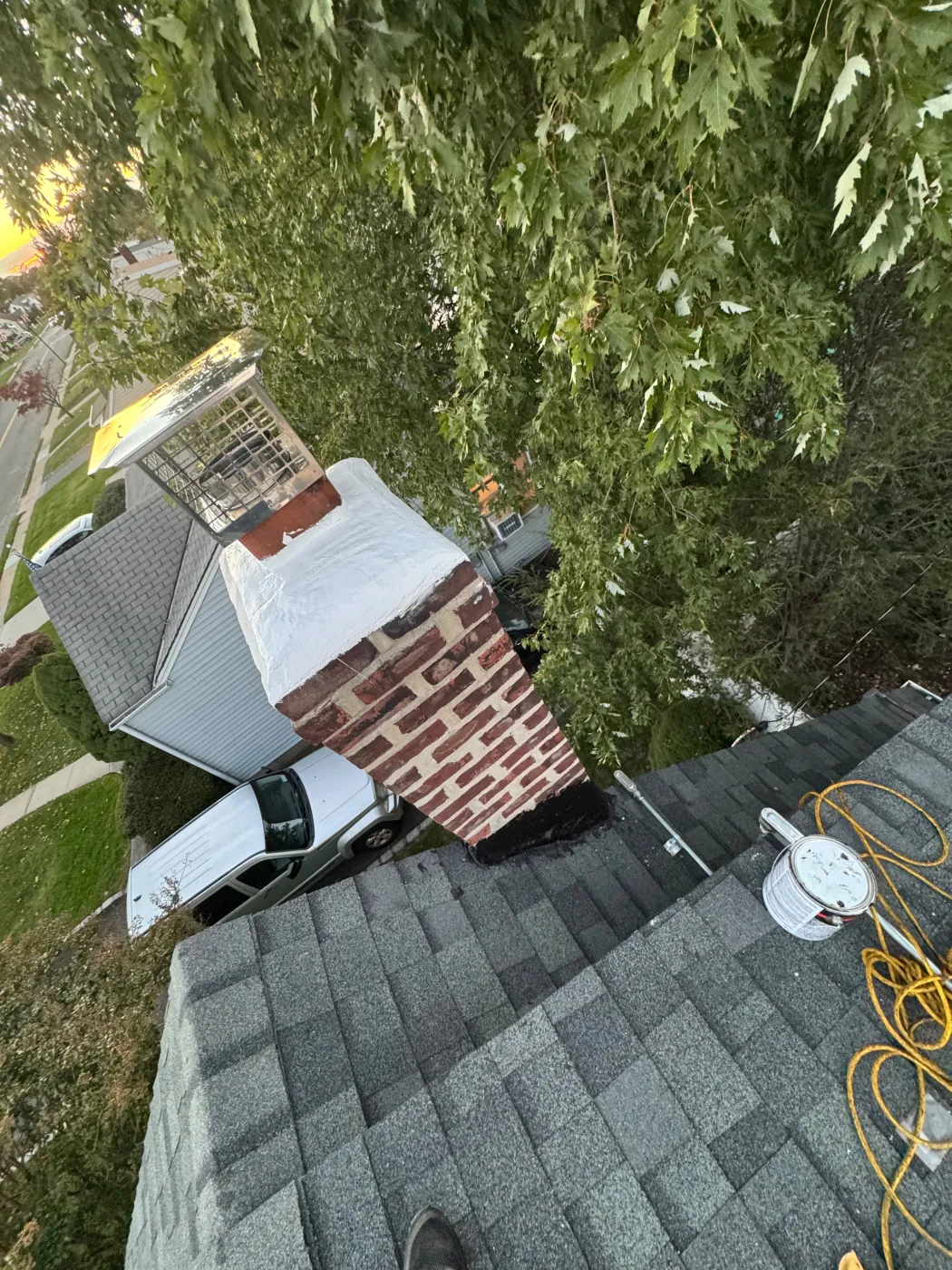
Chimney maintenance, explained
Chimney maintenance is the routine, not the rescue. Once a year someone looks at the chimney inside and out, sweeps the flue if there is enough buildup to justify it, and checks the cap, the crown and the flashing. Small faults get fixed on that visit or scheduled before winter.
Under NFPA 211, chimneys, fireplaces and vents should be inspected at least once a year. Maintenance is that advice turned into a habit, with the small repairs attached. It differs from a one-time chimney inspection in that it repeats, so each visit is compared with the last and changes stand out.
The right time is late summer or early fall, before the heating season. Mortar and sealant set well in mild, dry weather, and anything the visit turns up can be dealt with before the first cold night.
It applies to every flue in the building, not only the fireplace. In a typical New York row house the boiler flue does far more work than the fireplace flue and gets far less attention.
What is included
- A look at the firebox, damper and flue
- Sweeping when the buildup calls for it
- Cap checked for rust, loose fasteners and torn mesh
- Crown checked for cracks, and hairline cracks sealed
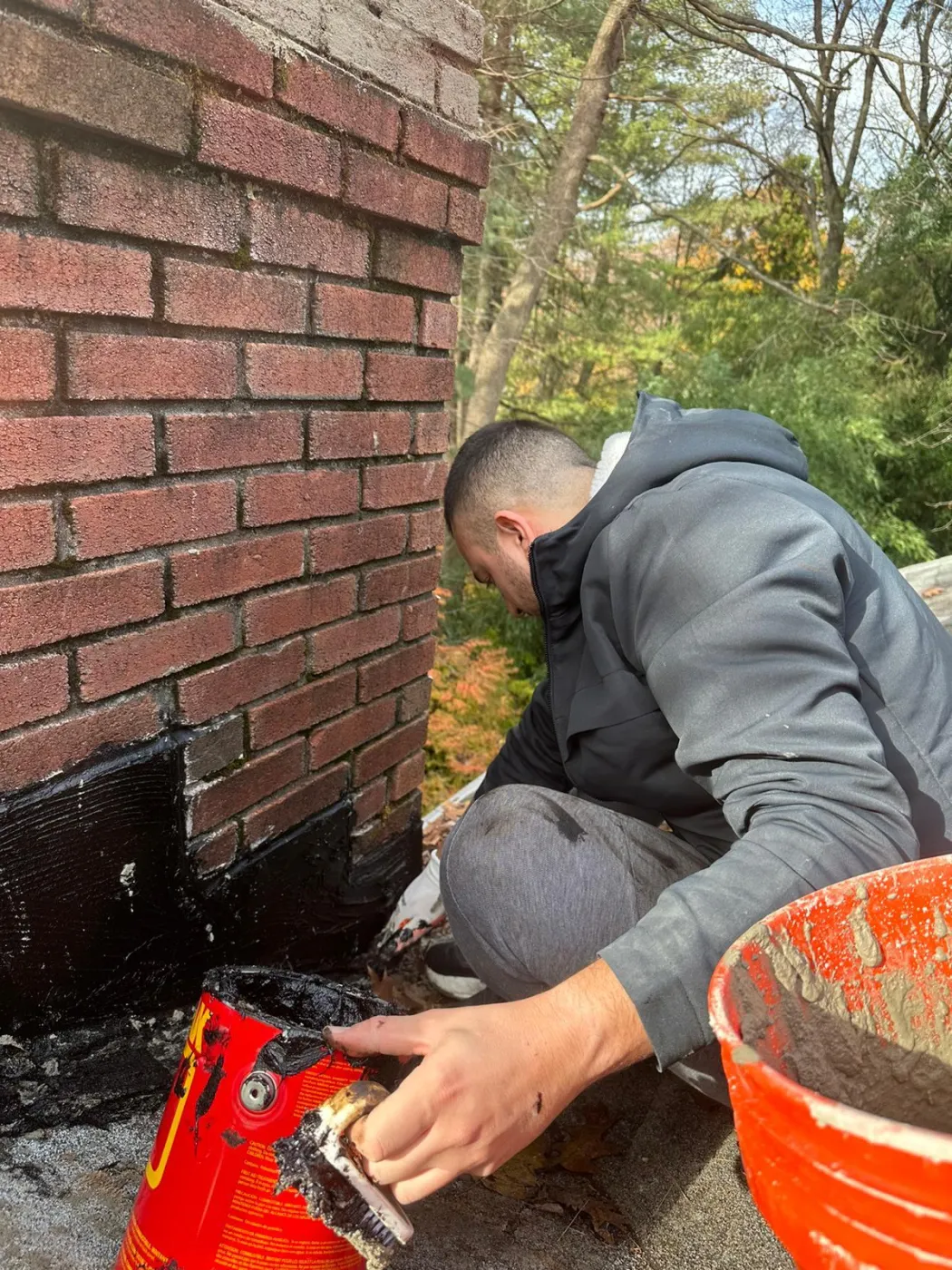
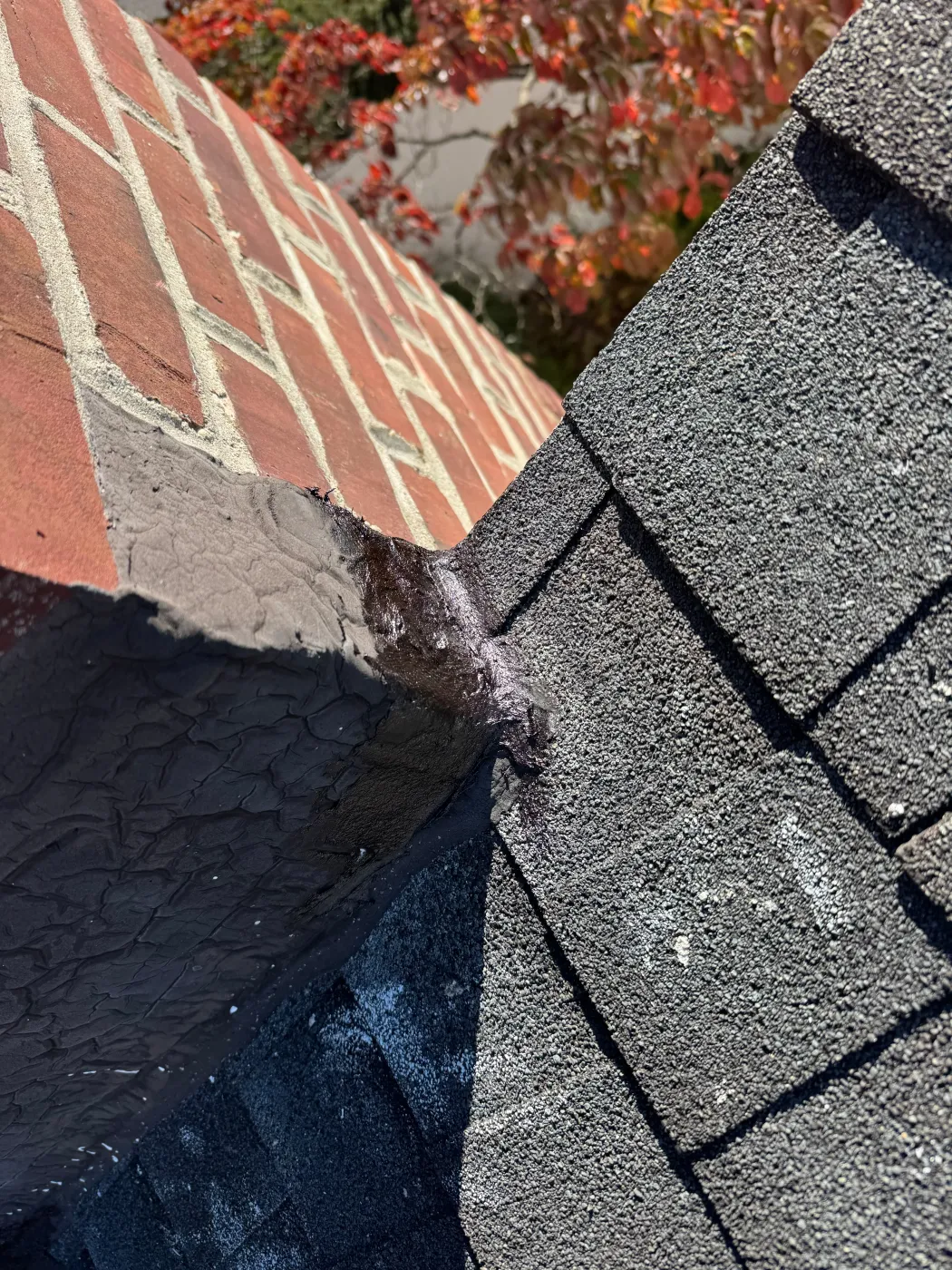
- Flashing checked and resealed where the seal has opened
- Mortar joints checked for gaps
- Photos to compare from one year to the next
Signs you need it
- The heating season is coming and the chimney has not been checked
- You cannot remember the last visit
- You used the fireplace regularly last winter
- A hard winter or a big storm since the last check
- Small things you keep meaning to deal with: a rattle, a stain, a draft
- A boiler or furnace flue that has never been on anyone's list
How the job goes
Start with last year
If we have seen the chimney before, we begin with the earlier photos, so we know what was sound and what to compare.
Look inside
The firebox, the damper and the flue are checked for buildup, cracks and anything that has fallen in or moved in since the last visit.
Sweep if needed
If there is enough soot or creosote to matter, the flue is brushed and the firebox cleaned. If there is not, we say so and leave it.
Go over the top
On the roof we check the cap, the crown, the mortar joints and the flashing, the parts that take the weather.
Fix the small things
With your go-ahead, a loose cap is tightened, a hairline crack in the crown is sealed and a lifted edge of flashing is sealed back down. Anything bigger is photographed and quoted.
Leave a record
You get photos of the chimney as we left it and a note of what to keep an eye on before the next visit.
From our own jobs
Our photos, not stock.
Why it matters
Water is what ruins chimneys, and it gets in through small openings: a crack in the crown, a gap in the flashing seal, a joint that has lost its mortar. Each is a small job in the year it appears. After a few winters of freezing and thawing, the same opening has become loose brick, a stained ceiling or a crown that has to be rebuilt.
The other half is the flue. Checked yearly, creosote is removed while it is still light and easy to brush off, and a blockage in a boiler flue is found in early fall, not on the first cold night with the heat on and the windows shut.
Maintenance is less work than repair, and far less than restoration. That is the whole case for it.
Chimney maintenance: common questions
My fireplace is rarely used. Does it still need a yearly visit?
Yes, though it may not need sweeping. Weather wears the cap, crown and flashing whether or not you light a fire, and an idle flue is where birds and squirrels like to nest. The yearly look is for those things.
What can I do myself between visits?
Burn only dry, seasoned wood. After a storm, look at the chimney from the ground for a missing cap or fallen brick. Indoors, watch the ceiling and walls near the chimney for new stains, and call if you see one.
Is maintenance different for a boiler or furnace chimney?
The routine is the same, with a few additions. The cleanout at the base of the flue is opened and emptied, and the pipe from the appliance and its seal at the chimney wall are checked. See furnace chimney cleaning for that side of it.
Can you look after every chimney in a building?
Yes. For landlords and managers of row houses and small buildings, each flue is checked and photographed on the same visit. Tell us how many chimneys there are and what vents into them when you call or text (917) 983-1283.
Related chimney services
Tell us what is going on. We will tell you what it needs.
Call or text with your ZIP code and a line about the problem. For dryer vents, text DRYER and your ZIP.