Chimney flue installation in New York City
Many older New York chimneys were built with no liner at all, or have a flue that no longer suits the appliance connected to it. We install a new flue, sized to what it serves, from the appliance connection to the cap.
Chimney flue installation, explained
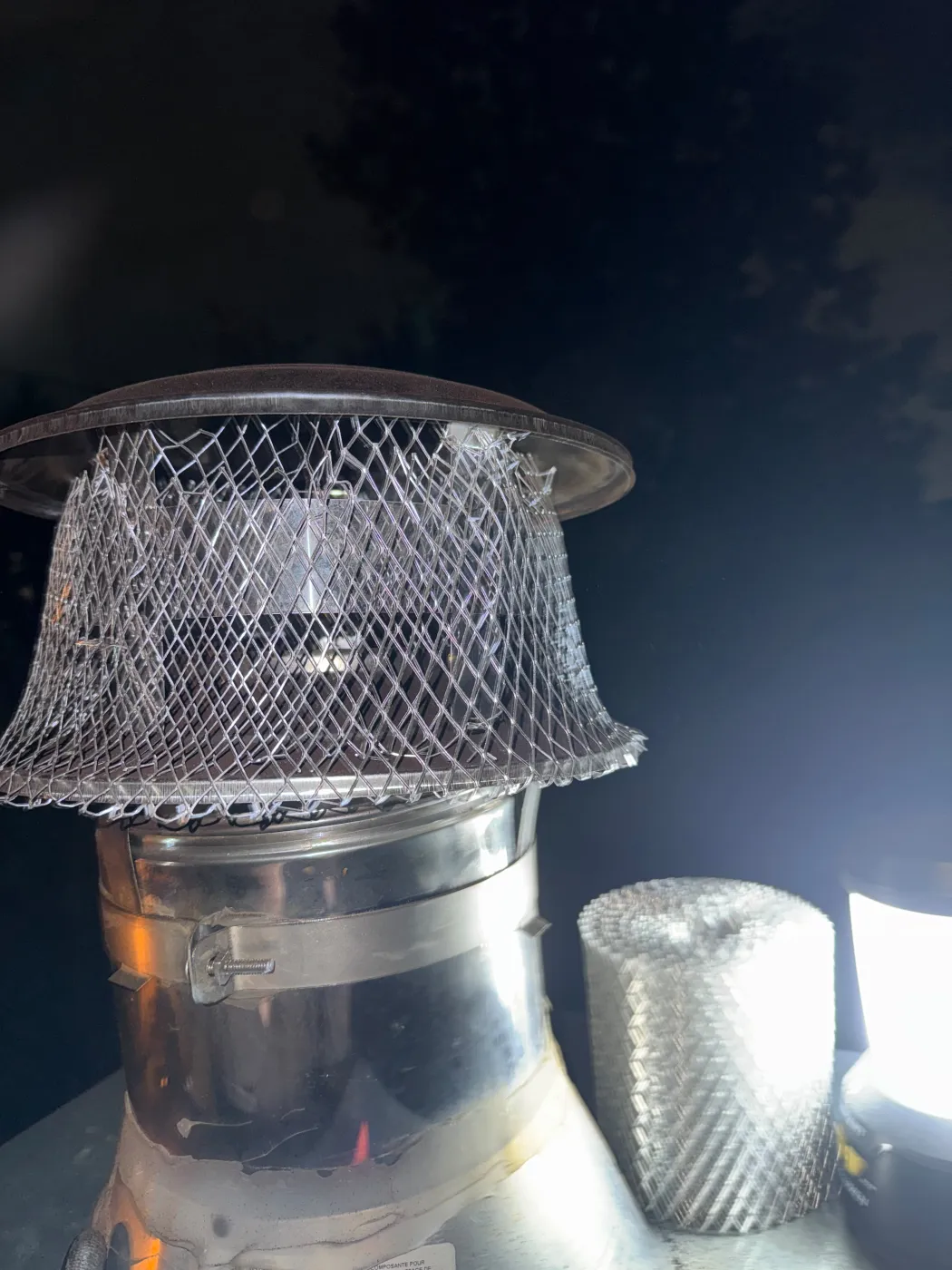
The flue is the passage inside the chimney that carries smoke and exhaust out of the building. A flue installation gives that passage a new lining for its full height. Most often that is a stainless steel liner lowered down the existing chimney and connected to the appliance at the bottom.
It comes up when an inspection finds bare brick where a liner should be, when a boiler, furnace or water heater is replaced, or when a fireplace gets an insert or stove that needs its own liner to the top.
Size matters. A flue that is too large lets the exhaust cool and slow down, which weakens the draft and leaves moisture on the walls. One that is too small cannot carry the exhaust away. So the new flue is sized to the appliance, not to the chimney that happens to be there.
In New York City, row houses and pre-war buildings often have brick chimneys that were built unlined and later connected to oil or gas boilers. If your chimney already has a liner with damage in a few places, chimney liner repair may be enough. If the trouble is the metal pipe between the appliance and the chimney, that is chimney vent installation.
What is included
- The existing flue inspected from top to bottom
- The flue swept before the liner goes in
- A liner sized to the appliance and chosen for its fuel
- A sealed connection to the appliance pipe, insert or stove
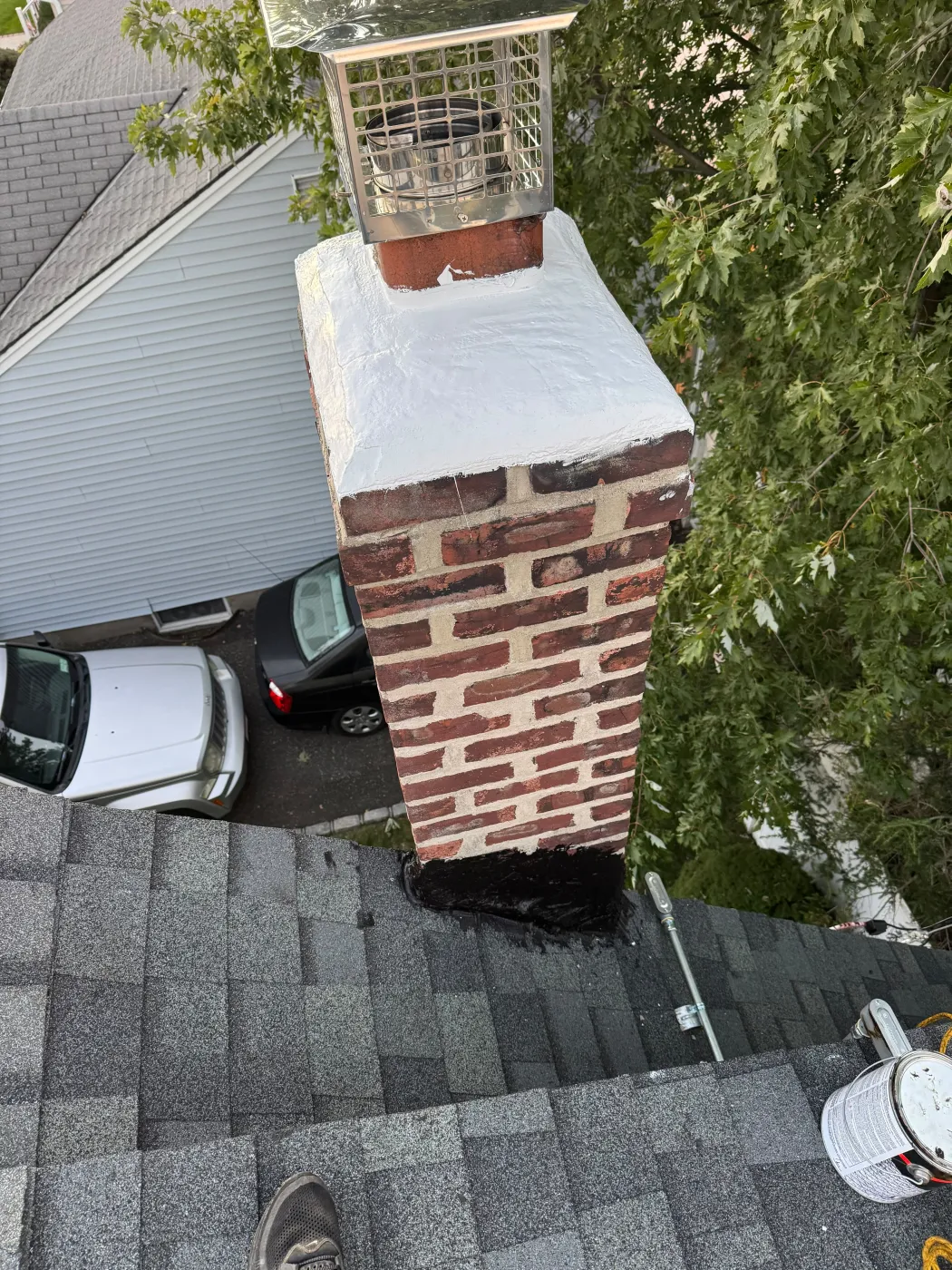
- A top plate and cap to close the top of the flue
- A draft check, and photos of the finished installation
Signs you need it
- An inspection found bare brick or no liner in the flue
- A new boiler, furnace or water heater going onto an old chimney
- An insert or stove being added to an open fireplace
- Liner tiles too cracked or broken to repair
- Weak draft or an exhaust smell at the appliance
How the job goes
Inspect and measure
We look at the full height of the flue, note its shape, bends and condition, and check what it serves. You see photos and get a quote before anything is installed.
Clean the flue first
Soot, loose tile and debris are brushed out and vacuumed up, so the new liner goes into a clear passage and does not snag on the way down.
Set the liner
The liner is lowered from the top of the chimney to the appliance opening. Where the chimney or the appliance calls for it, the liner is insulated before it goes in.
Connect and seal
At the bottom the liner is joined to the appliance pipe, insert or stove. At the top a plate closes the gap around it and a cap goes on to keep out rain and animals.
Test and show
We run the appliance, or check the draft at the fireplace, and show you photos of the connections and the finished top.
From our own jobs
Our photos, not stock.
Why it matters
An unlined or badly sized flue fails quietly. Hot exhaust and acidic moisture soak into bare brick and mortar and wear the chimney away from the inside. Gaps in old masonry can let exhaust, including carbon monoxide, into the rooms the chimney passes on its way up.
A correctly sized liner keeps the exhaust contained and moving, protects the masonry around it, and gives the appliance a steady draft.
Chimney flue installation: common questions
Why would a new boiler need a new flue?
Newer boilers and furnaces generally send cooler exhaust up the chimney than the equipment they replace. In a wide, cold masonry flue that exhaust can condense into acidic moisture, and the draft can turn sluggish. A liner sized to the new appliance keeps the exhaust warm and moving.
Can a liner go into a chimney that bends?
Usually. Flexible stainless steel liner is made for flues that shift sideways on the way up, which is common in older row houses. The inspection tells us whether the flue is wide enough along its whole length.
Is this the same as building a new chimney?
No. A flue installation relines a chimney that is already standing and structurally sound. If there is no chimney to work with, or the stack itself has to be rebuilt, that is chimney installation, which has its own page.
Related chimney services
Tell us what is going on. We will tell you what it needs.
Call or text with your ZIP code and a line about the problem. For dryer vents, text DRYER and your ZIP.