Chimney installation in New York City
Sometimes there is no chimney where one is needed, or the one that is there cannot be saved. We install new chimney systems: factory-built metal chimneys with their chase and cover, and new masonry where a stack has to be rebuilt from the roof up.
Chimney installation, explained
A chimney installation is a new chimney, not a repair to an old one. It comes up when a wood stove, fireplace or boiler is going into a spot that has no chimney, when an old metal chimney has rusted or come apart, or when a brick stack above the roof is too far gone to repoint.
A new chimney is usually factory-built: multi-wall metal pipe sections that lock together and run from the appliance up through the roof, with a shield wherever the pipe passes through a floor or ceiling, flashing at the roof and a cap on top. The parts are made as one system and matched to the appliance, so sections from different systems are not mixed.
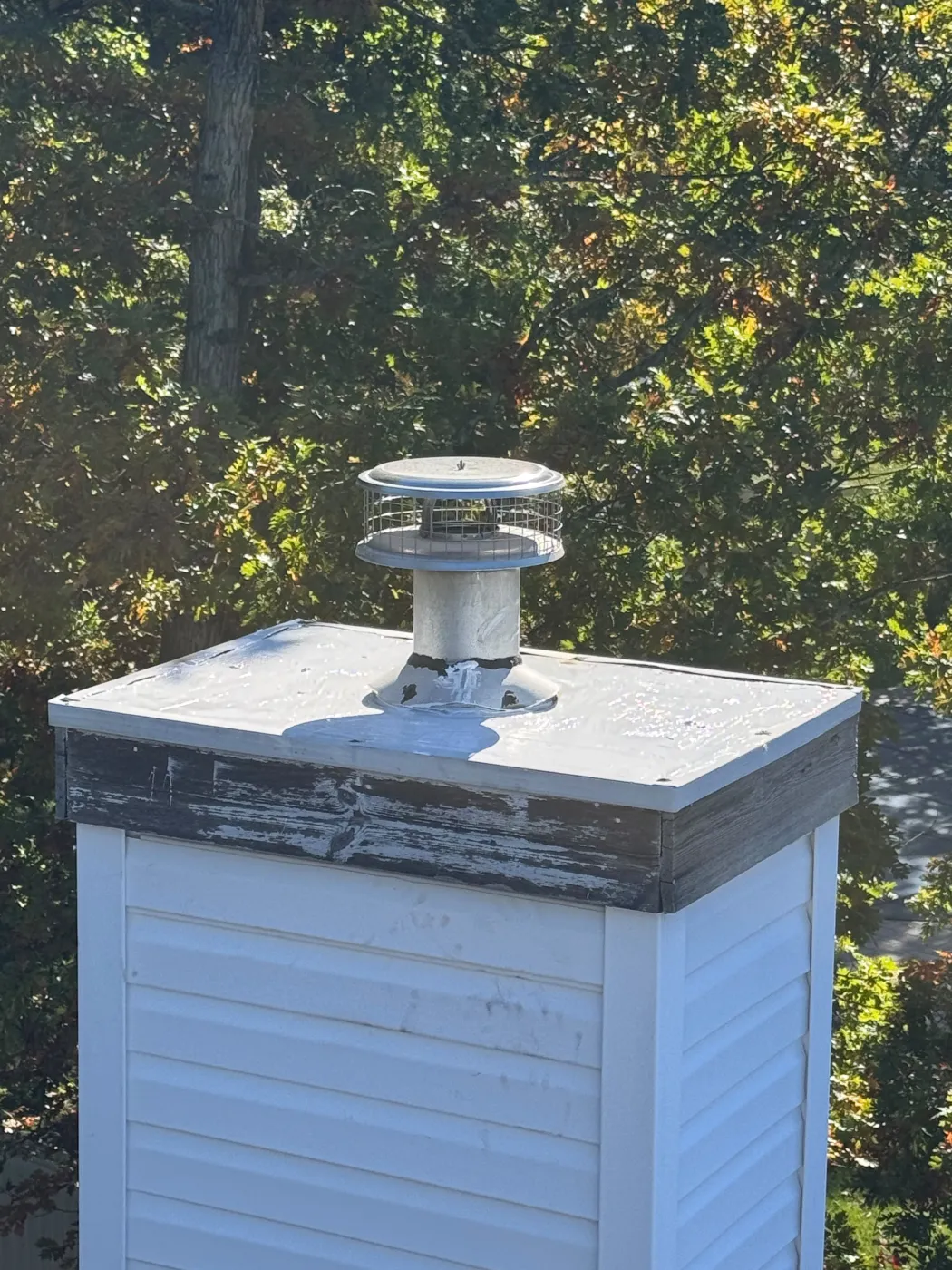
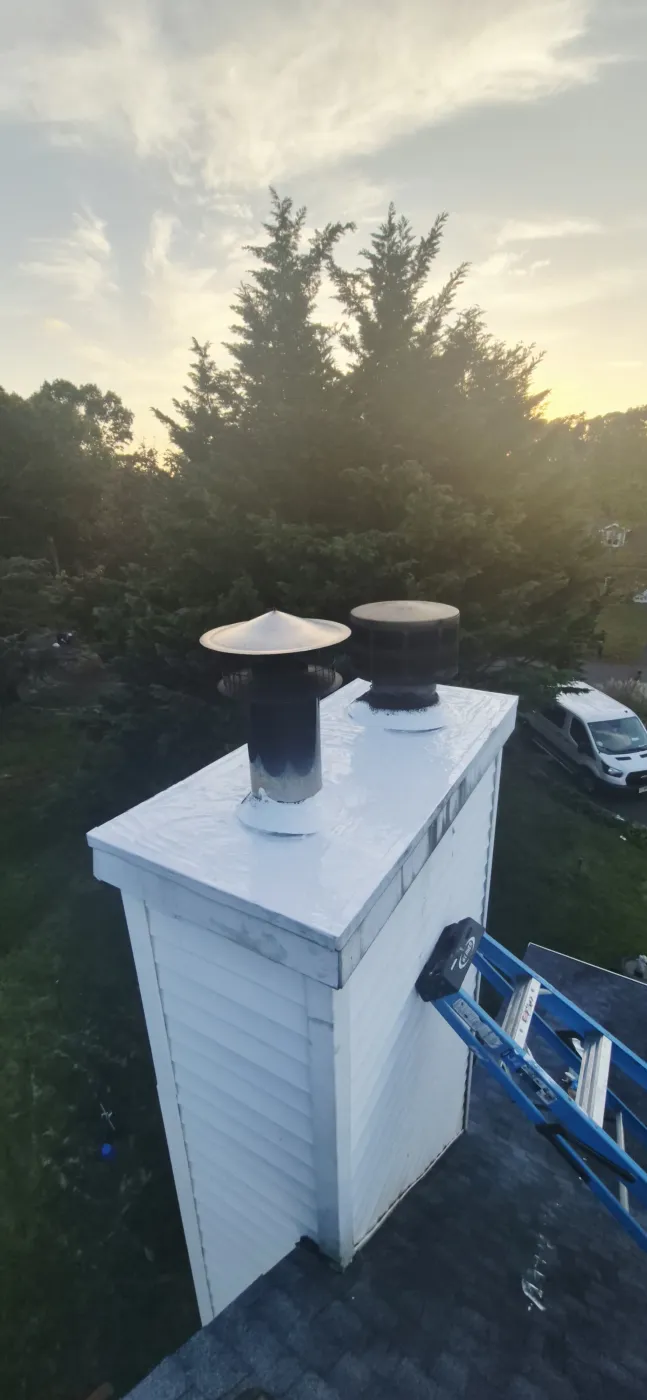
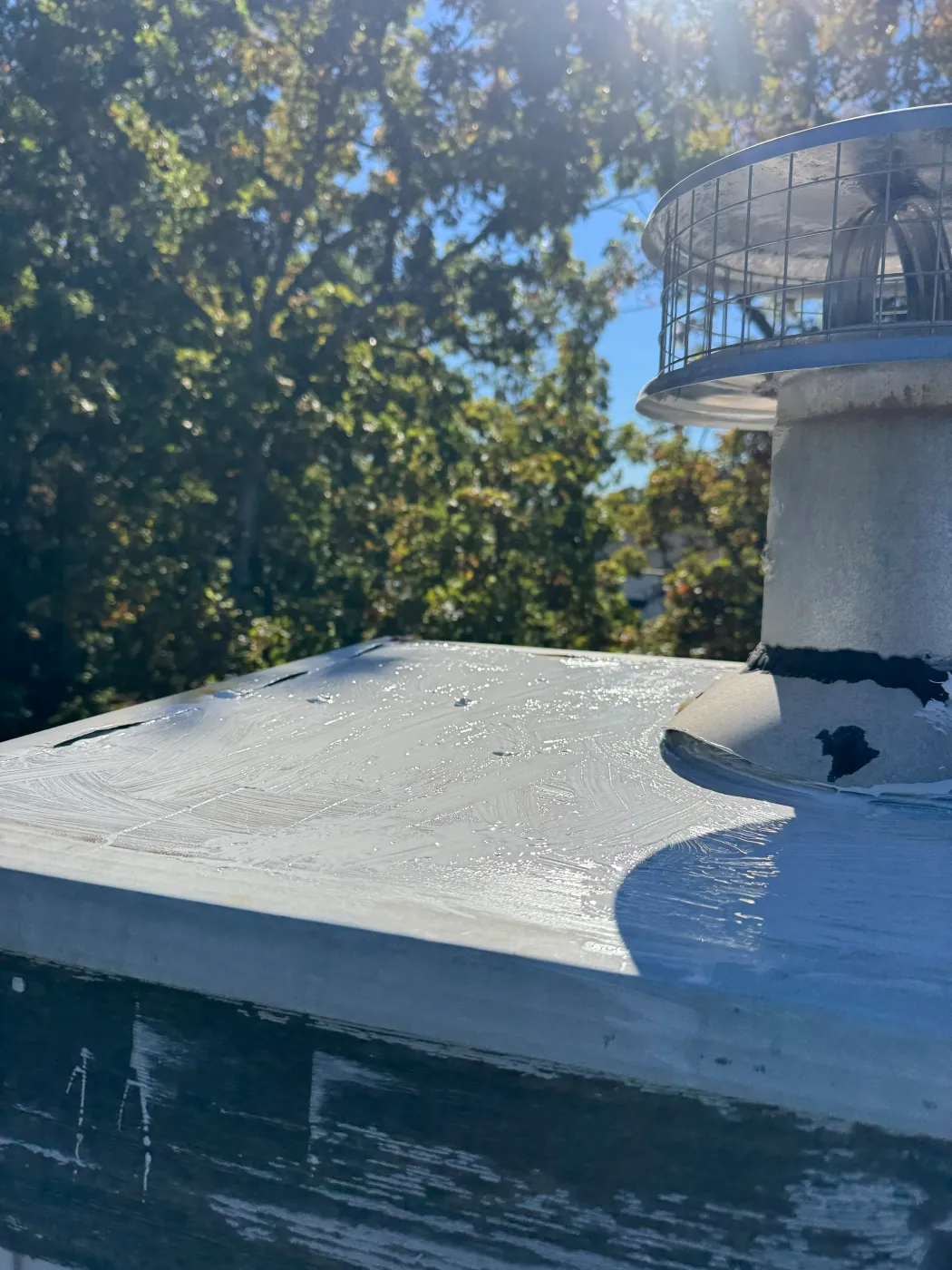
Outdoors, a metal chimney is often enclosed in a chase: a framed box finished to match the house. The chase is closed at the top by a chase cover, a metal lid with a collar for the pipe to pass through. A cover that has rusted or sags in the middle lets rain run straight into the chase.
The other kind of installation is masonry. On an older New York house the stack above the roof sometimes has to come down to sound brick and be built up again with new brick, flue tiles, a crown and a cap. If the chimney is standing and only needs a new passage inside it, that is chimney flue installation. If it is an old stack you want to keep, see chimney restoration.
What is included
- A chimney system matched to the appliance and its fuel
- Pipe sections, supports and shields installed from the appliance up
- Roof flashing sealed around the chimney
- A chase cover fitted and sealed at the pipe collar
- For masonry, new courses, flue tiles and crown from the roof up
- A cap on top, and photos of every stage
Signs you need it
- A stove, fireplace or boiler going in where there is no chimney
- A metal chimney with rusted, dented or separated sections
- Rust streaks running down the side of a chase
- Water stains indoors around a factory-built fireplace
- A brick stack that leans or has loose bricks above the roof
How the job goes
Survey the job
We look at what the chimney will serve, where it can run and how it will come out at the roof. You get a quote before work starts.
Build from below
A factory-built chimney starts at the appliance and goes up section by section, with a shield at each floor or ceiling and the spacing from framing that its maker requires.
Close the roof
Flashing is fitted and sealed where the chimney comes through. On a masonry rebuild, the new courses rise from the roofline with the flue tiles set inside as the stack goes up.
Finish the top
A chase gets a cover shaped to shed water, sealed at the pipe collar. A masonry stack gets a crown. Either one gets a cap.
Check and hand over
We check the full run and the draft, then show you photos of the parts you cannot see from the ground.
From our own jobs
Our photos, not stock.
Why it matters
A chimney carries very hot exhaust through a building made largely of wood. A factory-built chimney does that safely only when it is the right type for the appliance, assembled as its maker intends and kept the required distance from framing. Mixed parts or a missing shield stay hidden inside walls and ceilings until something goes wrong.
The top matters just as much. Water damage in a chase usually starts at the cover, and damage to a masonry stack usually starts at the crown and the joints.
Chimney installation: common questions
What is the difference between a chimney, a chase and a chase cover?
The chimney is the pipe that carries the exhaust. The chase is the box built around it, which is what you see from the street. The chase cover is the metal lid on top of the box, and the cap sits above the pipe itself.
Can a new stove or fireplace use my existing chimney instead?
Often, if the chimney is sound. In that case the usual job is a liner sized to the new appliance, which is flue installation and a smaller project than a new chimney. An inspection tells us which one you need.
My chase cover is rusted. Do I need a whole new chimney?
Usually not. If the pipe and the chase are sound, a new cover and cap are enough, and the sooner that is done the less water gets inside. If rain has been getting in for a long time, we check the pipe and the chase framing first.
Related chimney services
Tell us what is going on. We will tell you what it needs.
Call or text with your ZIP code and a line about the problem. For dryer vents, text DRYER and your ZIP.