Chimney nest removal in New York City
To a bird or a squirrel, an open flue is a sheltered hollow with one entrance. We remove the nest, clean the flue, and fit a cap with a mesh screen so it does not happen again.
Nest removal, explained
A chimney with no cap is open to anything that can fly or climb. Birds build in the top of the flue or drop nesting material down it. Squirrels pack a flue with leaves and twigs, or fall in and cannot climb back out. Raccoons treat the smoke shelf above a fireplace as a den, most often in spring when they have young.
It happens all over New York City: on brownstone chimneys with several open flues side by side, on flat roofs, and on boiler flues that nobody looks at from one year to the next. A boiler or furnace flue is the more serious case, because the appliance keeps running whether the flue is clear or not.
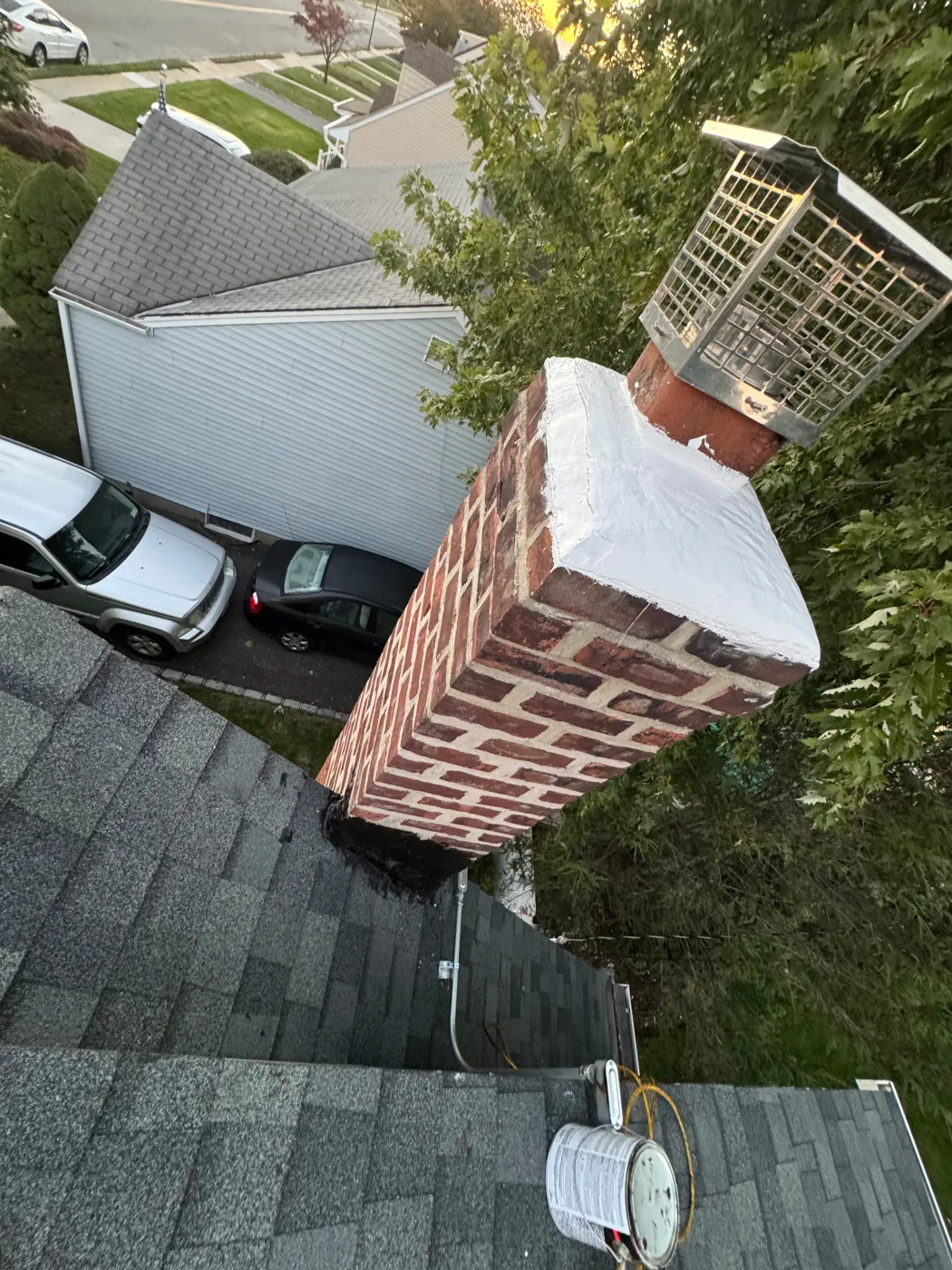
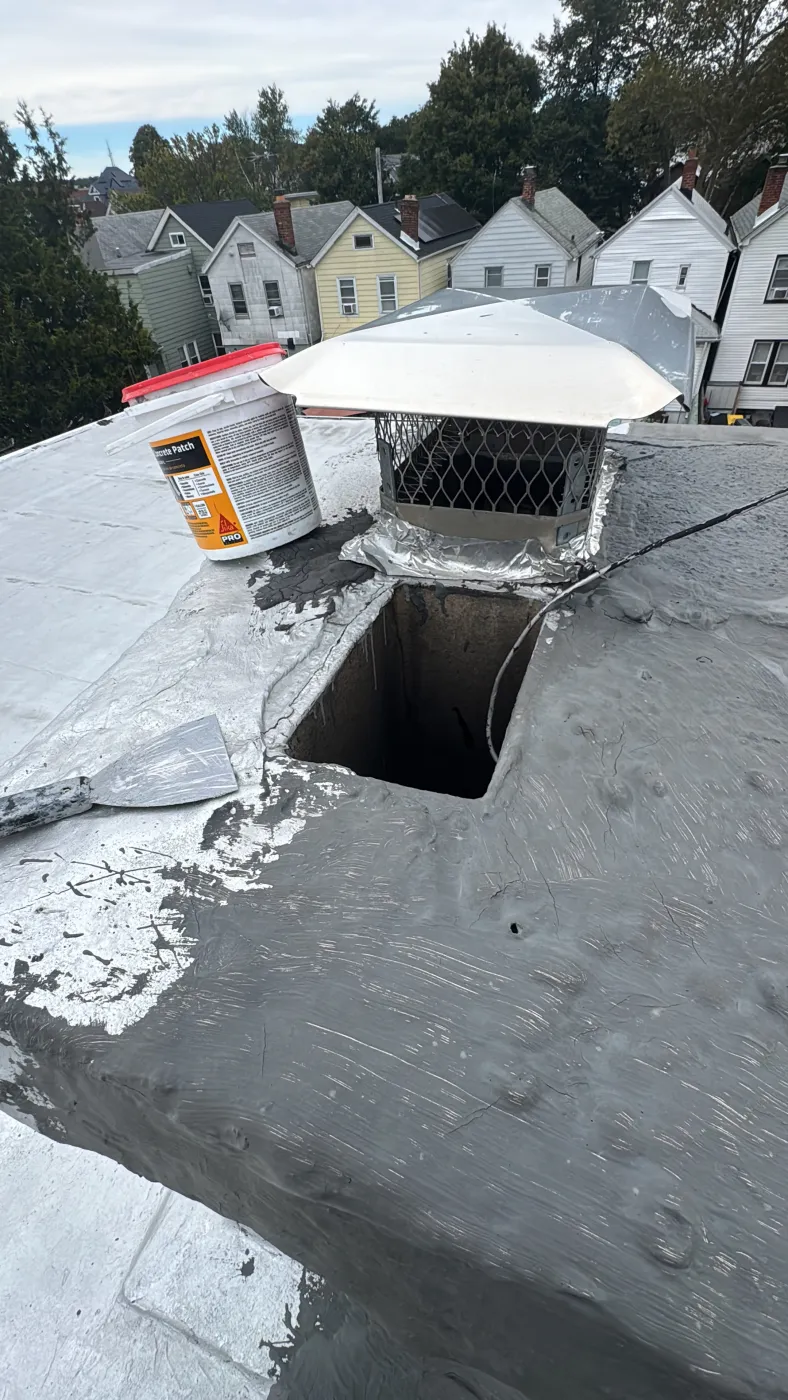
Nest removal is three jobs in order. The nest comes out. The flue is cleaned, because droppings, feathers and debris are left behind. Then the opening is closed with a cap: a rain cap installation on a flue that never had one, or a chimney cap replacement where the old cap is rusted or torn.
Timing can matter. Some birds, chimney swifts among them, are protected by law while they are nesting, so an active nest of that kind has to stay until the young have flown.
What is included
- A look from the top and the bottom to see what is in the flue
- Nesting material removed along the full height of the flue
- The flue swept to clear droppings and debris
- The liner checked for damage once it can be seen
- A cap with a mesh screen fitted to the flue
- Photos of what was found and of the cleared, capped flue
Signs you need it
- Scratching, chirping or chattering from the fireplace or the wall
- Twigs, leaves or feathers in the firebox
- Birds flying in and out of the chimney top
- A bad smell or flies near the fireplace
- Smoke coming back into the room
- A boiler or furnace that vents poorly with no clear cause
How the job goes
Find what is there
We look up from the firebox or the cleanout and down from the top, to see what the blockage is, where it sits and whether anything is alive in it.
Check the timing
If the nest is active and belongs to a protected bird, or a live animal is in the flue, we explain what has to happen first and what to do in the meantime.
Remove the nest
Nesting material is pulled out from the top and pushed or drawn out from below with rods, then bagged.
Sweep and check
The flue, the smoke shelf and the firebox are brushed and vacuumed to clear droppings and feathers. With the flue clear, we look at the liner and the damper for damage.
Cap it
A cap with a mesh screen, sized to the flue, is fastened in place. You get photos of the nest, the cleared flue and the new cap.
From our own jobs
Our photos, not stock.
Why it matters
A nest is a plug. Smoke from a fireplace, or exhaust from a boiler or furnace, cannot get past it and comes back into the house, and it can bring carbon monoxide with it. Nesting material is also dry and light, so a spark from below can set it alight inside the flue.
Do not light a fire to drive animals out. The smoke has nowhere to go but back into the room, the nest can catch, and the animals are more likely to die in the flue than to leave it.
Clearing the flue deals with the problem you have now. The cap is what keeps the next animal from moving into the same spot.
Nest removal: common questions
There are baby birds in my chimney. Can you take the nest out now?
It depends on the bird. Some species are protected by law while nesting, and their nests cannot be disturbed until the young have left. Until then, keep the damper closed and do not use the fireplace. Once they are gone we clear the flue and cap it.
A raccoon or squirrel is living in the chimney. Do you remove live animals?
No. We do not trap or remove live animals. A live squirrel or raccoon, and a raccoon with young in particular, has to be taken out by a wildlife control operator. Once the animal is out, we clear the nest, clean the flue and cap it so nothing moves back in.
Will a cap really keep them out?
A cap with a mesh screen closes the opening to birds and squirrels while letting smoke and exhaust through. It has to fit the flue and be fastened firmly, because a loose cap can be lifted off by wind or by a determined raccoon. A chimney with several flues needs every one of them covered.
Related chimney services
Tell us what is going on. We will tell you what it needs.
Call or text with your ZIP code and a line about the problem. For dryer vents, text DRYER and your ZIP.